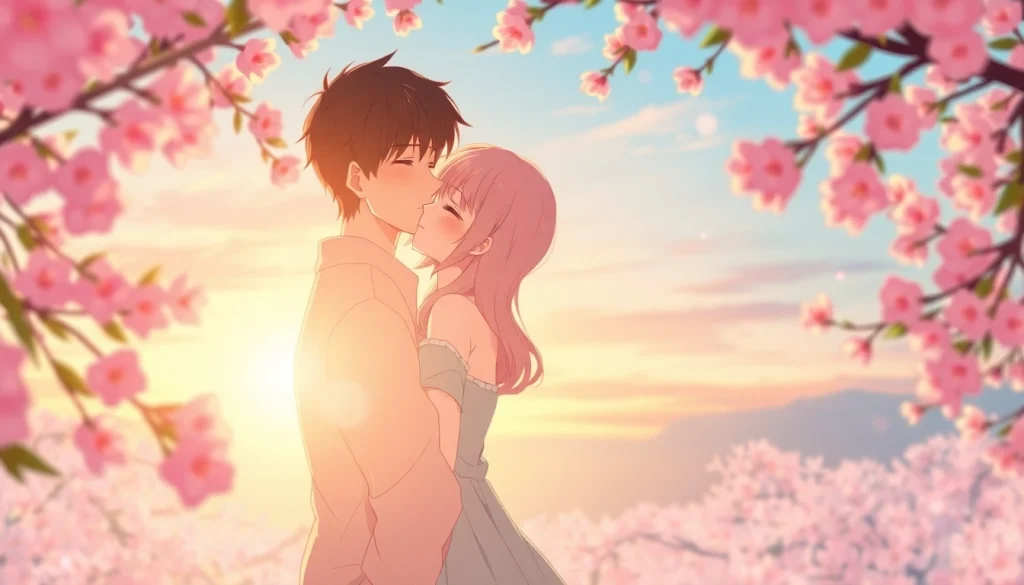
Understanding Anime Sex and Its Cultural Context
Anime, a unique and expansive genre of animated film and television originating from Japan, holds a significant place in the cultural fabric of the country and various global audiences. While not all anime delves into sexual themes, the subset that does often garners intense interest. The representation of sexuality in anime intertwines with historical, cultural, and societal norms, creating a complex narrative that permeates through different genres and themes. This article will explore the multifaceted nature of anime sex, its historical significance, its various genres, character dynamics, artistic expressions, and the ethical considerations surrounding it.
Historical Significance of Anime in Japanese Culture
To understand the place of sexuality in anime, it is crucial to delve into its roots within Japanese culture. The history of anime can be traced back to the early 20th century with works that were influenced by Western animation. However, it was post-World War II that anime began to flourish, embodying diverse narratives that often reflected the changing tides of Japanese society.
During the 1960s and 70s, the anime industry witnessed a significant evolution, with manga (Japanese comics) becoming a mainstream source of entertainment. It was during this period that themes of sexuality began to appear prominently, influenced by societal changes, including the sexual revolution. As Japan opened up culturally, anime began to explore more complex and mature themes, bringing sexuality to the forefront in various forms.
Representation of Sexuality in Anime
The portrayal of sexuality in anime is not monolithic; it varies significantly across different genres. From subtle romantic overtones in shoujo (targeted primarily at young females) to the overtly sexualized content found in hentai, anime’s landscape is rich with sexual representation. The treatment of sex in anime serves not just as entertainment, but also as a reflection and critique of societal norms and attitudes toward sexuality.
In many cases, anime provides a safe space for exploring fantasies and desires that may be considered taboo in real life. This can serve therapeutic purposes for fans and audiences, as well as raise important issues about consent, body image, and gender dynamics.
Audience Reception and Perception
The reception of sexual content in anime varies by demographic, geography, and personal background. For younger audiences, anime may serve as their primary exposure to sexual themes, shaping their perceptions and expectations of relationships and intimacy. For older viewers, anime might represent nostalgia or an escapist medium where societal restrictions do not apply. The dichotomous views on sexuality in anime often lead to discussions in both support and criticism, triggering debates about censorship, morality, and the responsibilities of content creators and consumer audiences alike.
Different Genres and Themes in Anime Sex
The world of anime is diverse, with genres often overlapping and incorporating various themes, including sexuality. Understanding the different approaches to sexual themes across the various genres provides insight into the diversity of storytelling within anime.
Shonen, Shojo, and Their Unique Approaches
Shonen and shoujo are two of the most prominent categories in anime and manga, catering to different age groups and genders. Shonen, aimed primarily at young males, often features action-packed narratives with male protagonists navigating friendship, rivalry, and occasionally, romantic interests. Sexual themes in shonen are often approached with humor, adventure, and a focus on camaraderie, providing entertainment without extensive exploration of sexual relationships.
On the other hand, shoujo manga and anime tend to focus more on emotional depth, character relationships, and romantic entanglements. Many shoujo titles contain inherently sexual themes but do so in a way that emphasizes emotional connections rather than physical intimacy. The audience reception of these genres can also shape how sexuality is explored and perceived, resulting in a nuanced landscape where emotional fruition and growth takes precedence.
The Role of Fantasy Elements in Erotica
Fantasy is a prevalent theme in many anime series, and its incorporation can significantly influence the portrayal of sexuality. Fantasy elements allow for the exploration of otherwise unrealistic scenarios, characters, and desires. This aspect becomes particularly pronounced in genres like isekai (another world), where characters often face situations that challenge traditional societal norms, including sexuality.
In these fantastical contexts, sexual relations may be exaggerated or portrayed through comedic lenses, allowing audiences to engage with content that otherwise might be seen as controversial or unacceptable in conventional narratives. The flexibility of fantasy in anime enables creators to navigate complex sexual themes while entertaining and engaging their audiences.
Comparison of Mature Themes Across Genres
The way mature themes are represented in anime varies significantly across genres. For instance, in the sports genre, while relationships may develop, the focus is typically on the sport itself, with sexual elements taking a backseat. Conversely, in romantic comedies or dramas, the exploration of sex can be front and center, shaping character motivations and driving the plot forward.
The distinctions between genres also reflect societal attitudes towards sex and relationships at any given time. It’s essential to realize that while certain genres may portray sexuality with a more open approach, others still tread lightly, maintaining a balance between appeal and acceptability to wider audiences.
Character Dynamics and Relationships in Anime Sex
The portrayal of relationships and character dynamics in romance-centered anime often intertwines with the exploration of sexual themes. Understanding the archetypes and their roles can shed light on the nuances of these relationships.
Common Archetypes and Their Roles
Character archetypes play a crucial role in the storytelling of anime, particularly in sexual contexts. Typical archetypes such as the “tsundere”, “dere-dere”, or “yandere” bring different approaches to romantic and sexual relationships. For example, the tsundere character may oscillate between hostility and affection, creating tension and depth in relationships that can lead to various romantic situations.
The roles these archetypes play not only provide comedic relief but can also challenge traditional views on love, lust, and relationships, often leading viewers toward unexpected narratives about these dynamics. Additionally, such portrayals can influence audience expectations of relationships beyond the screen, threading personal experiences into viewers’ consumption of anime.
Romance vs. Lust: Nuanced Portrayals
The distinction between romance and lust in anime is particularly important as these two elements often interplay in various narratives. While some series may opt to explicitly portray the physical aspect of relationships, others may focus on building emotional connections before introducing sexual elements. This nuanced portrayal can reflect broader societal values regarding love and desire.
Moreover, the exploration of romance versus lust can bring attention to significant issues such as consent, relationship boundaries, and emotional health. The portrayal of heartfelt relationships resonates deeply with audiences, often leading to a more profound understanding of intimacy that extends beyond mere physicality.
Fanfiction and the Expansion of Character Interactions
In recent years, fanfiction has emerged as a powerful medium for expanding character interactions within anime. Fans often create alternative storylines where characters explore relationships and sexual dynamics not present in the original works. This exploration enriches the narrative world and gives fans agency over the characters they love.
Not only does fanfiction allow for exploration of alternative relationships, but it also often addresses themes like intersectionality, consent, and representation, which can sometimes be absent in mainstream anime. This rich tapestry of fan-created content showcases the diverse interests of fans and the unique ways they engage with existing narratives and character dynamics.
Artistic Techniques Depicting Anime Sex
The artistic techniques used in anime serve to accentuate various themes, including sexuality. The choice of style, color, and animation can significantly impact how sexual content is perceived and conveyed.
Expressionism and Emotion in Scene Creation
Expressionism in anime focuses on depicting characters’ internal emotions and conflicts, often translating these feelings into visual art that enhances the storytelling experience. In scenes that involve sexual tension or intimacy, the use of exaggerated expressions, body language, and visual metaphors can create compelling emotional narratives.
This technique invites viewers to connect with the characters on a deeper level, promoting empathy and understanding. By focusing on emotional authenticity, filmmakers can explore delicate themes such as desire, vulnerability, and connection, allowing audiences to engage with the subject matter in a relatable way.
Use of Color and Lighting to Convey Mood
Color and lighting play a crucial role in setting the mood of any scene in anime, especially in those depicting sexual themes. Warm colors like red and gold are often utilized to evoke feelings associated with desire and passion, while cooler colors can signify calmness or detachment.
The manipulation of lighting can also accentuate intimacy, creating shadows for more subtle or suggestive scenes. This artistic choice enhances the viewer’s experience and creates a certain ambiance that heightens the emotional impact of sexual moments in the narrative.
Animation Styles that Enhance Visual Appeal
The visual style of anime is incredibly diverse, with different series adopting various techniques that can significantly impact the portrayal of sexual themes. For example, more fluid animation styles may enhance physical intimacy, making passionate scenes appear more genuine and engaging. In contrast, a more stylized or abstract animation can provide a surreal representation of sexual themes, inviting viewers to interpret the content through personal lenses.
The choice of animation style isn’t merely an aesthetic decision; it also carries connotations that may affect how sexual themes are understood by audiences, thus playing a critical role in delivering the intended message.
Ethical Considerations in Anime Sex
As with any form of entertainment that involves sexual themes, ethical considerations present a complex tapestry of discussions. From issues surrounding censorship to broader societal impacts, examining the ethical implications is crucial.
Censorship and Regulation of Content
Censorship in anime has long been a contentious issue, particularly concerning sexual content. Regulatory bodies often impose restrictions on explicit material, which can lead to varying portrayals of sex across different regions. In some cases, content may be heavily edited for international audiences, stripping away nuanced representations of sexuality that could contribute to meaningful discussions about consent and intimacy.
These regulatory practices raise questions about artistic freedom and the impact of censorship on creators’ ability to tell authentic stories. Balancing the need for creative expression with societal standards remains a key challenge in the industry.
Impact on Society and Norms
The narratives presented in anime can have a profound impact on societal norms and expectations regarding sex and relationships. By portraying various sexual dynamics, anime may influence how audiences perceive their own relationships and societal standards around intimacy.
This influence is particularly noteworthy among younger viewers, who might glean information about romantic dynamics and sexual behavior from the characters they admire. Misinterpretations of consent or healthy relationship dynamics can emerge from skewed portrayals, creating a pressing need for responsible storytelling in the industry that promotes healthy perceptions of intimacy.
Responsibility of Creators and Consumers
As consumers and creators navigate the world of anime and its sexual themes, a shared responsibility emerges. Creators should be mindful of the messages they send and the potential ramifications of their portrayal of relationships and sexuality. This means being conscious of representing consent, diversity, and realistic relationship dynamics.
On the other hand, consumers play a vital role in demanding accountability and supporting content that responsibly portrays sexual themes. Through active engagement and discourse, audiences can promote healthier representations of intimacy in anime and advocate for diversity and inclusion across narratives.